
 EN
EN
 UK
UK
 RU
RU
 AR
AR
 BN
BN
 ZH
ZH
 DE
DE
 ES
ES
 FR
FR
 HI
HI
 ID
ID
 UR
UR
 PT
PT
 TR
TR

Betting Creatives: What They Are and Why They Matter
Betting creatives are visual and textual content used in advertising campaigns to attract players. They play a pivotal role in the success of traffic arbitrage, as the creative is the very first thing a potential customer sees. Finding creatives that truly "hook" the audience is no simple task.
Effective creatives must be engaging, resonate with the target audience, and spark a desire to visit the bookmaker's website or take advantage of an offer. Given that the gambling and betting markets are highly competitive, a creative must stand out from the crowd. Experience shows that successful examples often employ vibrant imagery and a strong emphasis on winnings.
Developing creatives requires an understanding of player psychology, trend analysis, and constant testing of various approaches. Poorly executed creatives can lead to budget drain and decreased campaign efficiency. Therefore, it is crucial to avoid common pitfalls.
Where to Find Betting Creatives: Proven Sources
Finding betting creatives is a continuous quest for inspiration and effective solutions. Several proven sources can assist you in this process:
Spy Tools: One of the most popular is Spy.house, where you can study competitors' ads and analyze their approaches. This is an excellent way to understand which types of creatives are working in your niche.
Telegram Channels and Chats: Niche communities are invaluable resources where media buyers share their findings and experiences. They often post fresh examples of creatives that have already been tested and shown solid results. Note: Avoid blindly copying others; it is better to adapt them to your specific audience and offer.
Ad Data Platforms: Platforms specializing in ad data collection and analysis (like Spy.house and others) provide information on the most popular apps and campaigns in the gambling and betting sectors.
Visual Platforms: Don’t overlook Pinterest and similar sites for design inspiration. Study design trends, color schemes, and typography to create memorable ads. As noted by industry experts like Joe Babineau, push notification creatives require a specific approach to visual design.
Furthermore, keeping up with news and updates in the gambling industry helps ensure your content remains relevant. Success is often rooted in understanding the needs and interests of the players. Finally, never underestimate A/B testing. Create multiple versions to determine which performs best. Constant analysis and optimization are the keys to success in traffic arbitrage.
Types of Betting Creatives: Examples and Analysis
There are numerous types of betting creatives, each designed for specific tasks:
Static Images: Featuring catchy headlines and clear Calls to Action (CTAs). They are easy to produce and highly effective if the visual elements and copy are well-chosen.
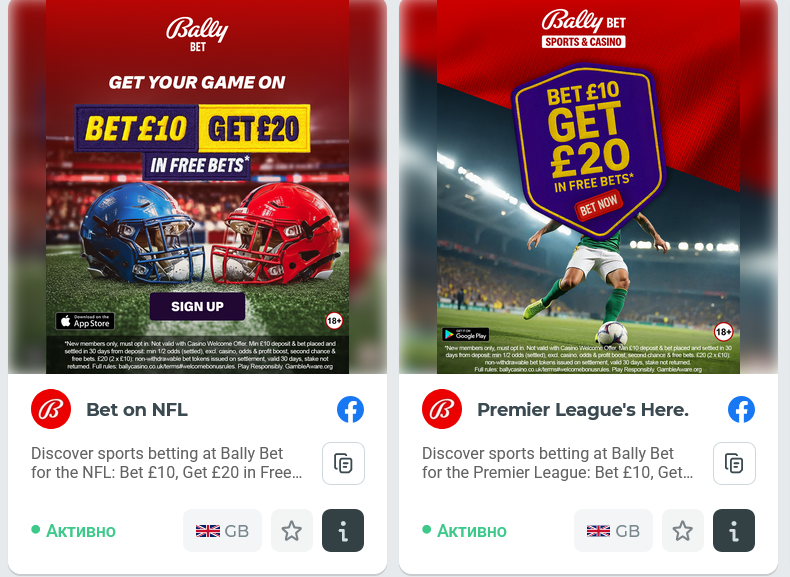
Video Creatives: These allow for a more vivid demonstration of a bookmaker's benefits. Videos can range from short ad clips and animated explainers to live sports broadcasts. They should be dynamic and tailored to the target audience.
GIF Animations: Combining the benefits of statics and video, GIFs are great for drawing attention to promotions, bonuses, or special offers.
Gamification: Successful examples often include elements like prize draws, contests, and quizzes to boost engagement and brand loyalty.
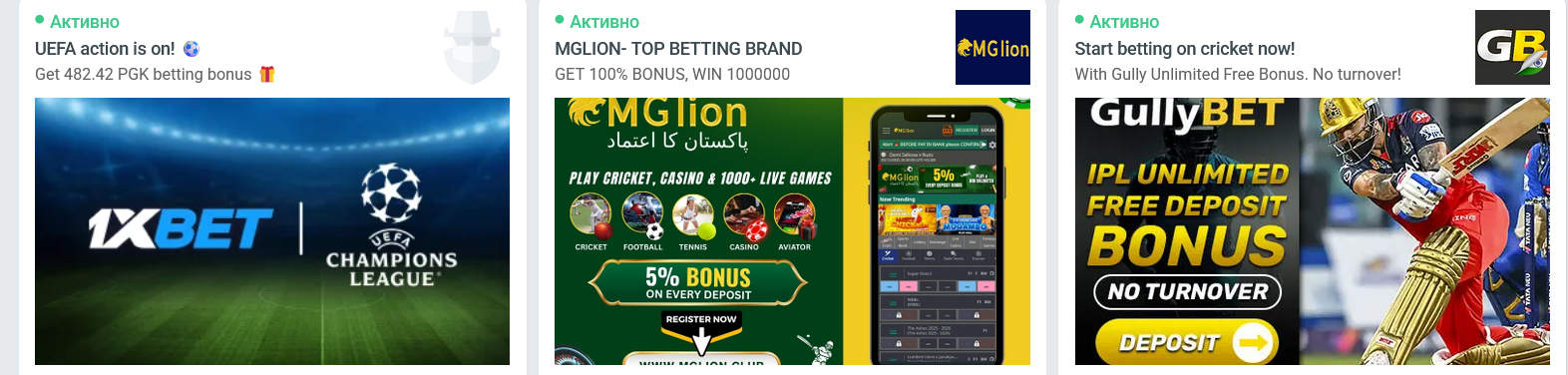
Social Media Ads: These must be adapted to each platform’s format (e.g., vibrant imagery for Instagram vs. informative posts for Facebook).
Analyzing competitors is also vital—study their headlines, CTAs, and visual choices. It is equally important to test different age groups and genders to see what sticks.
Common Mistakes in Betting Creative Design
Even experienced affiliates often make mistakes that hinder campaign performance. Some of the most frequent include:
Generic Content: Non-personalized creatives fail to grab attention.
Low Quality: Blurry, pixelated, or irrelevant images/videos create a negative brand impression.
Complex Copy: Headlines and CTAs should be short and clear. Avoid professional jargon that might confuse the user.
Lack of Testing: Relying on just one or two variants without A/B testing leads to missed opportunities.
Ignoring Platform Rules: Each ad platform has specific requirements; violations can lead to account bans.
Neglecting the Funnel: If the pre-landing or landing page doesn't match the creative's promise, users will bounce.
Landing and Pre-landing Pages: Key Elements for Conversion
The landing page and pre-lander are critical for converting the traffic driven by your creatives. The pre-lander acts as a bridge, warming up the user and increasing their interest.
Consistency: The pre-lander must match the creative. If a user clicks an ad, they should see a continuation of that theme (matching colors, fonts, and messaging).
Value Proposition: Clearly explain the benefits the user receives by proceeding to the main site.
Usability: The main landing page should be informative, modern, and intuitive, featuring a prominent CTA like "Register Now" or "Get Bonus."

Mobile Optimization: Since most users browse via mobile, responsiveness is mandatory.
Loading Speed: Slow pages lose users. Optimize images and code to ensure lightning-fast load times.




Comments 0