
 EN
EN
 UK
UK
 RU
RU
 AR
AR
 BN
BN
 ZH
ZH
 DE
DE
 ES
ES
 FR
FR
 HI
HI
 ID
ID
 UR
UR
 PT
PT
 TR
TR

Working with advertising campaigns has long stopped being a game of “guess the creative.” Today, it is a systematic process of analysis, hypothesis building, and testing. Tools like Spy.House allow you to find competitors’ working funnels, analyze trends, offers, and formats. However, the main mistake many advertisers make is directly copying the creatives they find.
This approach carries several risks at once:
advertising account suspension;
copyright holder complaints;
decreased conversion due to the “overused” format;
loss of brand uniqueness.
A smart strategy is to use analytics as a source of hypotheses, not as a template for copying. Below, we’ll go through 5 detailed ways to adapt creatives with specific examples, mechanics, and recommendations.
Deep visual overhaul: not just changing the color
The visual element is the first thing a user sees. Advertising platform algorithms also analyze image similarity, so superficial changes (cropping or a light filter) won’t protect against matches.
What can be changed:
1. Color palette and atmosphere
Was:
Bright accents, sharp contrasts, and aggressive color combinations are used. This approach creates a sense of urgency, pressure, and active selling. Visually, it attracts attention, but it can cause fatigue or distrust, especially in the health and natural products niche.
Became:
A calm pastel color palette with an emphasis on naturalness and eco-friendliness. Soft greens, beiges, creamy tones, and muted natural shades create a sense of safety, care, and trust. The overall atmosphere becomes more harmonious, light, and “clean.”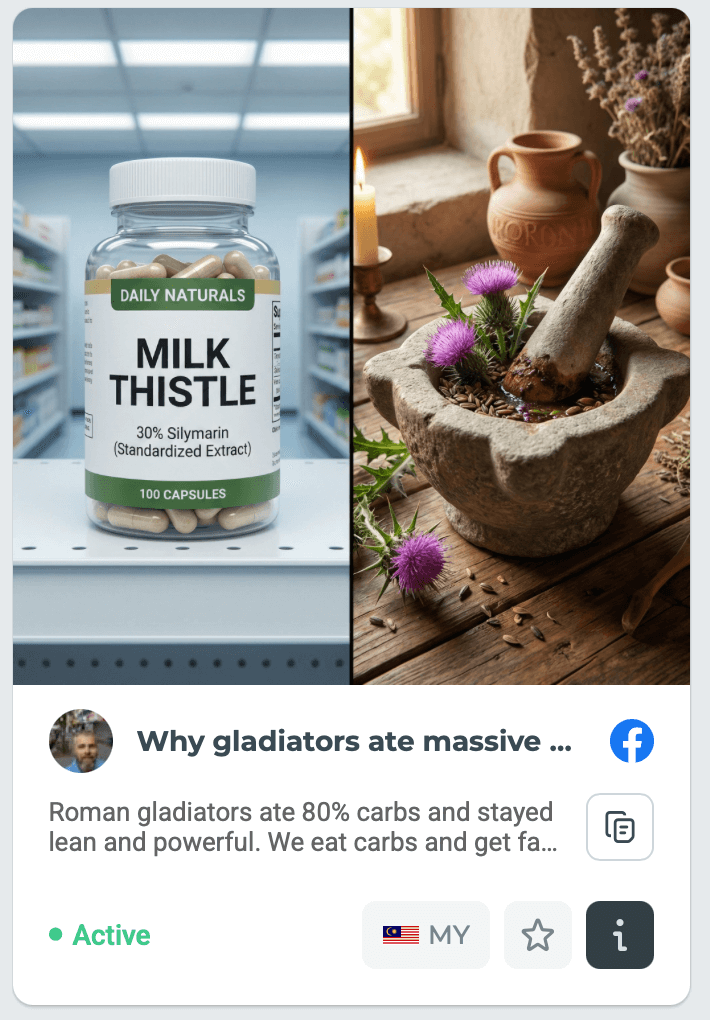
For example, if a competitor promotes a dietary supplement using bright red as a urgency trigger (discounts, promotions, “today only”), you can take the opposite approach.
Focus on the product’s eco-friendliness and natural qualities:
Use green and herbal shades;
Add a natural background (leaves, a field, light wood or stone texture);
Use soft lighting and natural textures;
Avoid sharp contrasts in favor of smooth color transitions.
This approach creates a sense of a conscious choice and a high-quality, safe product, rather than an impulsive purchase.
2. Composition
Change the placement of the main elements.
Review the layout structure and redistribute the main accents. It is important to establish a clear visual hierarchy so that the viewer’s eye first falls on the primary element and then moves to the secondary details. Pay attention to balance and spacing between objects.Move the headline from the top to the center.
Try changing the usual placement of the headline and position it in the central area of the composition. This will make it the main focus and enhance its visual impact. At the same time, it is important to maintain enough free space around the text so that it does not look cluttered. Pay attention to alignment, font size, and contrast — the headline should be easily readable and harmoniously fit into the overall structure.Try not to place the object strictly in the center.
Although central placement may seem logical, excessive symmetry often makes the composition static and less expressive. Try slightly shifting the main object to the left or right, up or down. A small asymmetrical placement adds dynamism and visual interest to the work. At the same time, it is important to maintain balance — if the main element is shifted to one side, compensate with secondary details, color, or free space on the opposite side.
Complete text overhaul: from meaning to wording
Text is not just a collection of words. It is a tool of psychology, influence, and brand positioning. A well-thought-out text conveys an idea, evokes emotions, prompts action, and shapes a unique image of a product or company.
What mistakes are most often made?
They change only 1–2 words
Some people think that a small word swap makes the text unique. In reality, the meaning remains the same, and the audience perceives the message as standard, without any real value.They rearrange parts of the sentence
Simply rearranging words or phrases does not change the concept of the text. It does not create new meaning but only slightly masks the original material.They use synonyms without changing the meaning
Replacing words with synonyms is a superficial way to “make the text unique.” The main idea and emotional impact remain the same, which does not provide real value.
Why this doesn’t work:
Such work with text is not true “uniqueness,” but mere masking. Real reworking requires understanding the core idea, building a new logic, choosing different triggers, and crafting text that genuinely reflects the brand’s positioning and the audience’s needs.
How to do it correctly:
1. Change the angle of approach
Was:
“Lose 5 kg in 2 weeks without dieting!”
This is a direct, result-focused headline. It promises a specific effect and targets a quick outcome. Such an approach grabs attention but comes across as too aggressive and focused on an “instant result,” which can cause distrust among the audience.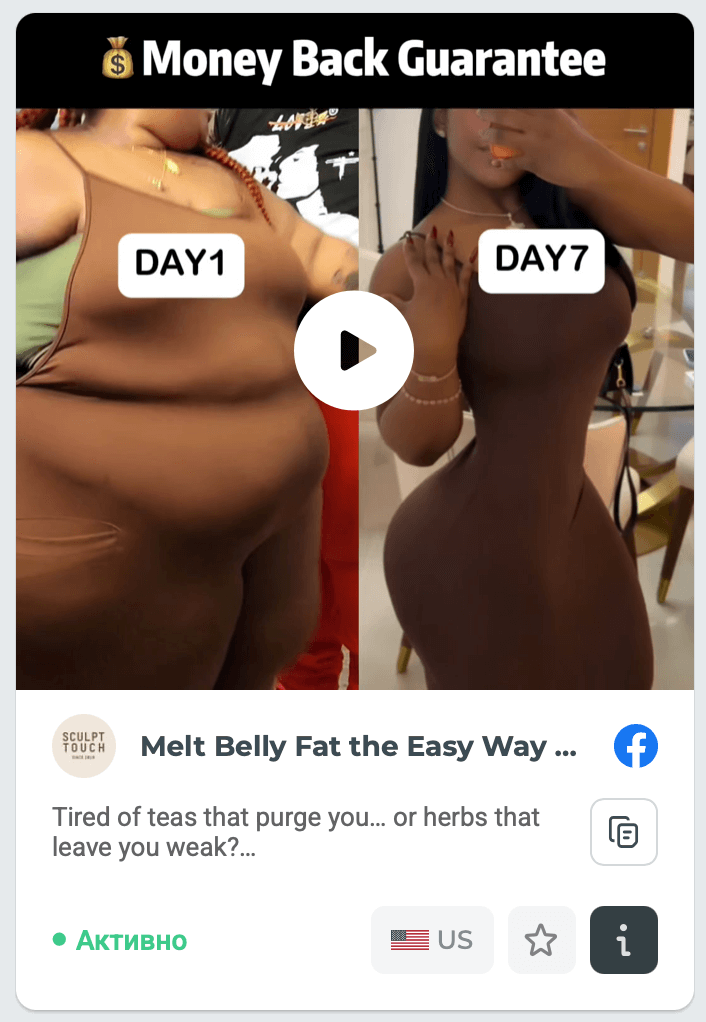
Now:
“Bring lightness back to your body in just 14 days — without strict restrictions”
The meaning remains similar — it’s still about weight loss and improving well-being, but the delivery and tone change. Now the focus is not on numbers or a “miracle result,” but on a feeling of comfort, ease, and self-care. The tone is softer, friendly, and emotional, which increases audience trust and creates the sense of a natural, safe path toward the goal.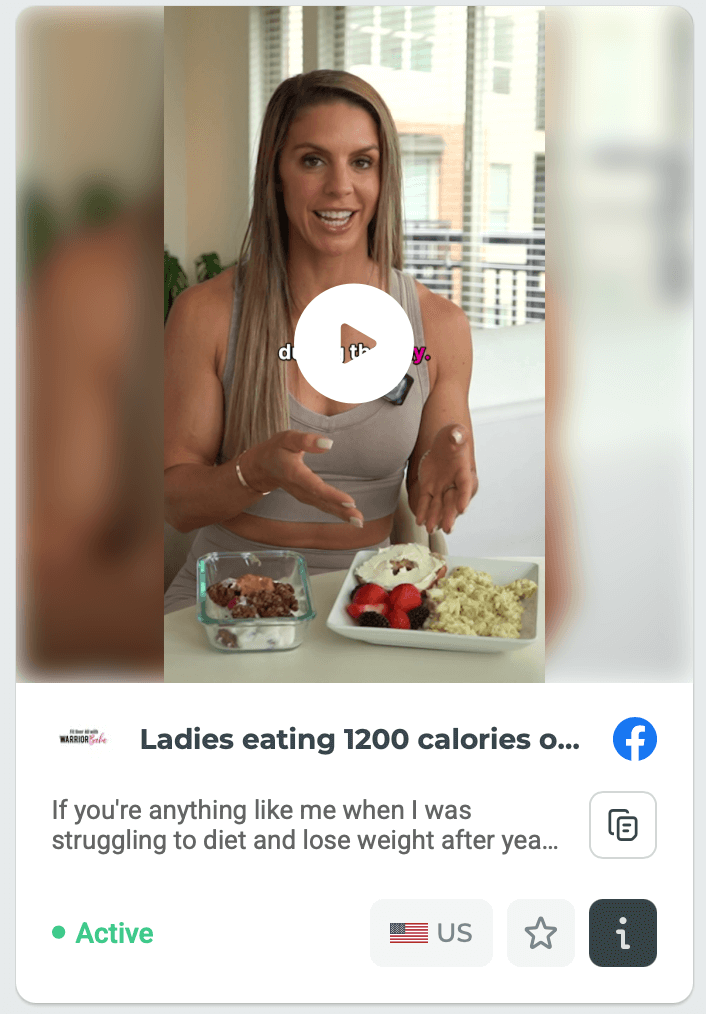
What we get:
Instead of focusing on a specific number and a “quick-result” promise, it’s better to emphasize the sensations and benefits for the body.
The phrases “restore lightness” and “without strict restrictions” create a positive emotional tone and reduce the feeling of pressure.
This approach makes the text more appealing to a careful, mindful audience that values safety and comfort rather than quick results at any cost.
By changing the angle of presentation, you preserve the core meaning of the message while altering its emotional perception and audience trust. This is one of the key techniques in working with text and marketing communications.
2. Add a unique selling proposition (USP)
Competitor:
“Free shipping across the country” — a standard offer that many provide. It grabs attention but doesn’t create real value for the customer.
You:
“Delivery within 48 hours or a gift with your order” — combining a concrete result with an additional bonus makes the offer unique. The customer receives either a fast result or a pleasant gift, which increases trust and encourages purchase.
Why this works:
Specificity: 48 hours — a clear and measurable timeframe.
Emotional value: a gift enhances the positive impression.
Differentiation: you stand out among competitors offering standard free shipping.
Creating a unique selling proposition allows you to stand out from competitors, adds value for the customer, and increases the likelihood of purchase. Specifics, an emotional bonus, and differentiation make the offer noticeable, memorable, and motivate the audience to take action.
3. Use a different psychological model
If a competitor builds their communication around pain (fear, problem, urgency), you can take an alternative approach and use a different psychological strategy. This allows you to stand out and attract an audience that is tired of pressure.
You can use:
Social proof
Focus on reviews, case studies, numbers, and real customer results. Phrases like “Trusted by 10,000+ clients” or “94% of users recommend us” build trust through the opinions of others.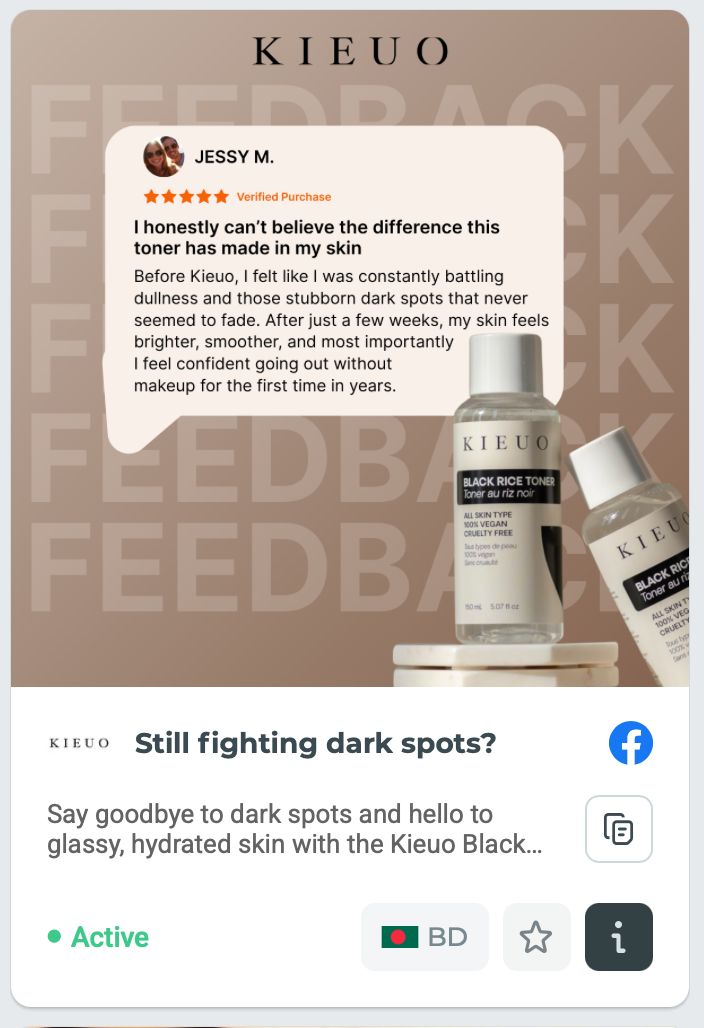
Expertise
Show a professional approach: certificates, research, team experience, and specialist recommendations. This format works especially well in health, finance, and education niches, where competence is highly valued.Offer scarcity
Use the principle of scarcity: a limited number of spots, products, or a restricted time for the offer. This encourages decision-making without pressure through fear — the focus is on the value of the opportunity.Before/After” Comparison
Show a clear result: transformation, improvement, progress. Visual or textual comparisons help the audience see the real benefit of the product.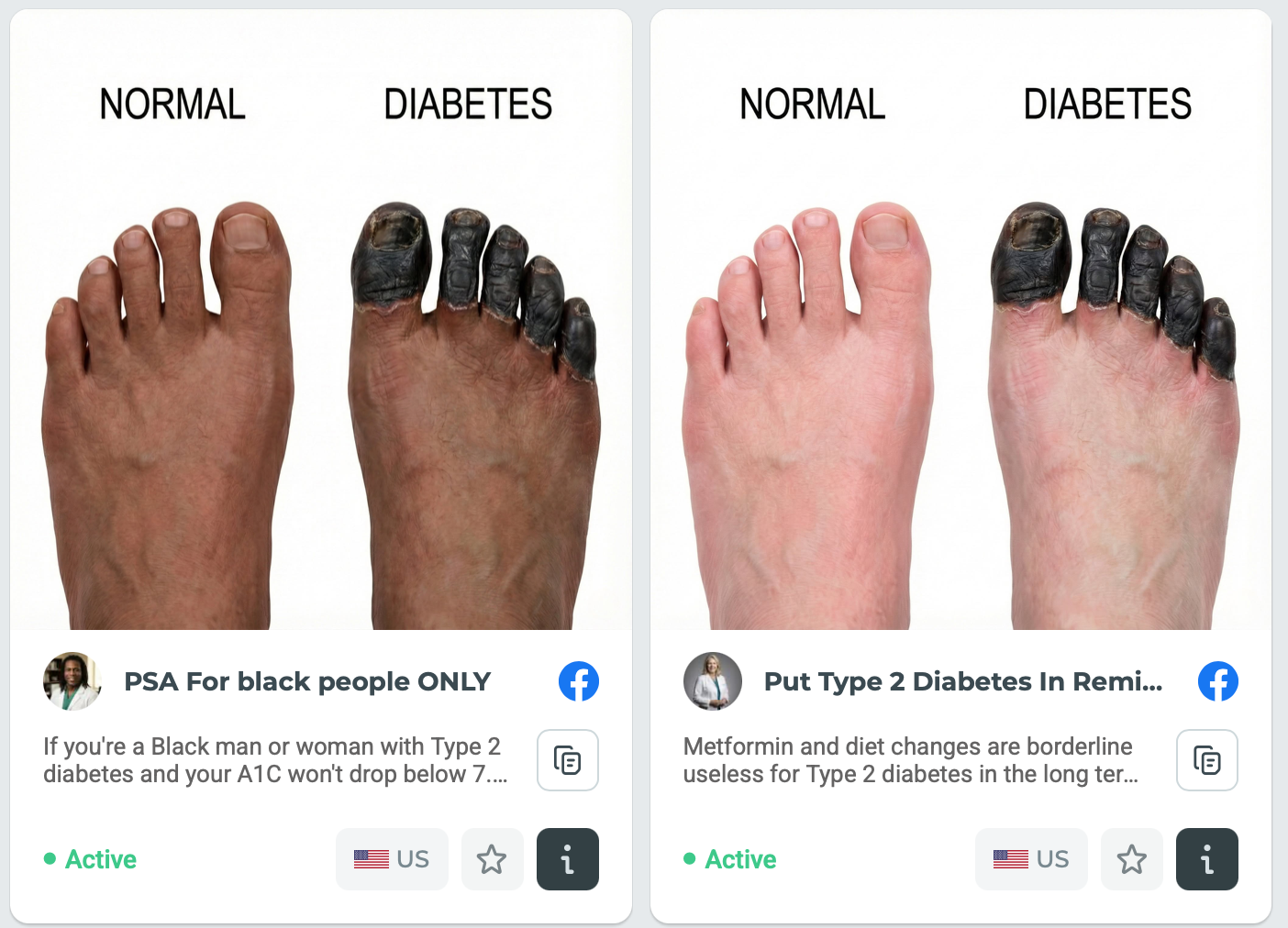
Changing the psychological model allows you to shift brand perception. Instead of using pressure through a problem, you can build communication around trust, authority, value, or visible results — thereby standing out effectively from competitors.
Changing the creative format: the same offer — a different medium
Even if a competitor’s idea is really strong, it doesn’t have to be copied in the same form. The same offer can be perceived completely differently depending on the format. By changing the medium, you refresh the impression and increase audience engagement.
1. Static → Video
If a competitor uses a regular static banner, you can enhance the same message through dynamic content.
What can be done:
Add text animation (appear in parts, emphasize key words);
Create a short 10–15 second video;
Show the product being used in real time;
Add music, voice-over, or subtitles.
Video holds attention longer, creates an emotional impact, and allows you to convey more meaning in a short time.
For example, a competitor places a banner with the text «–50% today»
You create a dynamic video:
A countdown timer appears;
animation highlights the word “today”;
demonstration of the product in action;
final screen with a call to action.
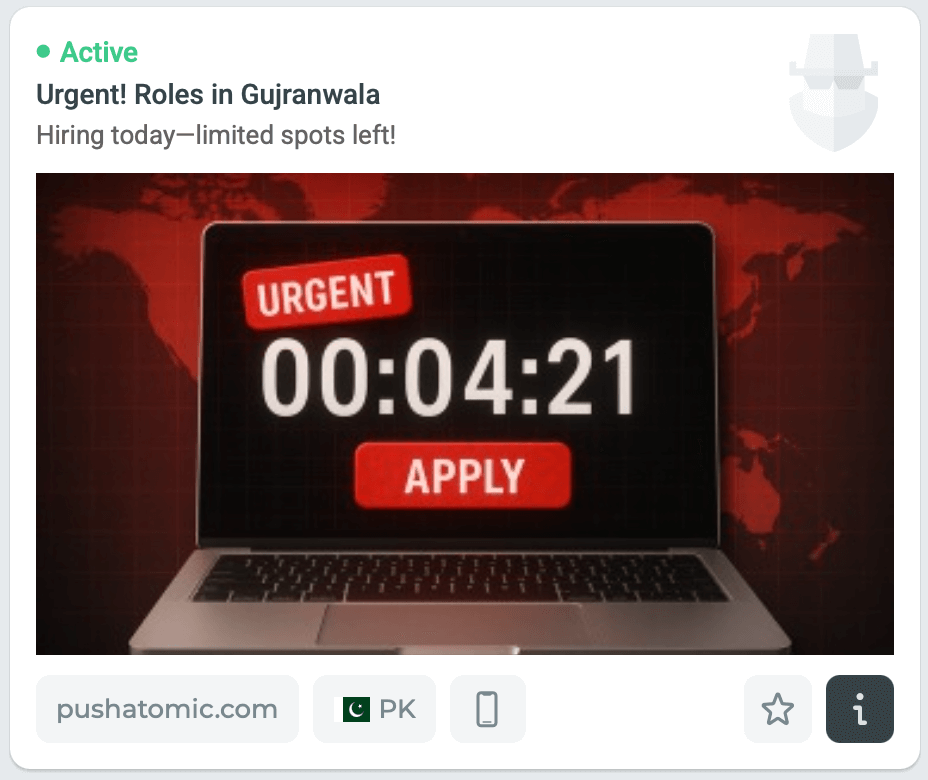
As a result, the offer feels more urgent, lively, and engaging.
Sometimes, to stand out from competitors, it’s enough not to change the offer itself but to change the way it’s presented. A new format enhances attention, emotional impact, and memorability, even if the meaning of the offer remains the same.
2. One Slide → Carousel
If a competitor uses a single static slide overloaded with information, you can rework it into a carousel format. This allows you to reveal the offer step by step, hold the viewer’s attention, and guide them logically from the problem to the action.
How to structure a carousel:
Problem
The first slide should “hook” the audience. Highlight a pain point or situation the client faces. It’s important that the viewer recognizes themselves and stops to engage with the content.Solution
On the second slide, show how your product solves this problem. Explain the mechanism or benefit clearly and concisely.Result
Next, demonstrate the outcome: the benefit, transformation, numbers, or a “before/after” effect. This builds trust and creates a desire to achieve the same result.Call to Action
The final slide should prompt a specific action: “Order Now” “Try It” “Get a Consultation” “Follow the Link”
A carousel creates the feeling of a mini-story. The user is gradually engaged in the process and is more likely to complete the desired action compared to viewing a single, information-overloaded banner.
3. Video → UGC format
If a competitor uses professional studio shooting with perfect lighting and staged shots, you can take the opposite approach — choose a UGC format (user-generated content). This type of content looks more natural and builds greater trust, as it is perceived as the real experience of an ordinary person.
Customer review
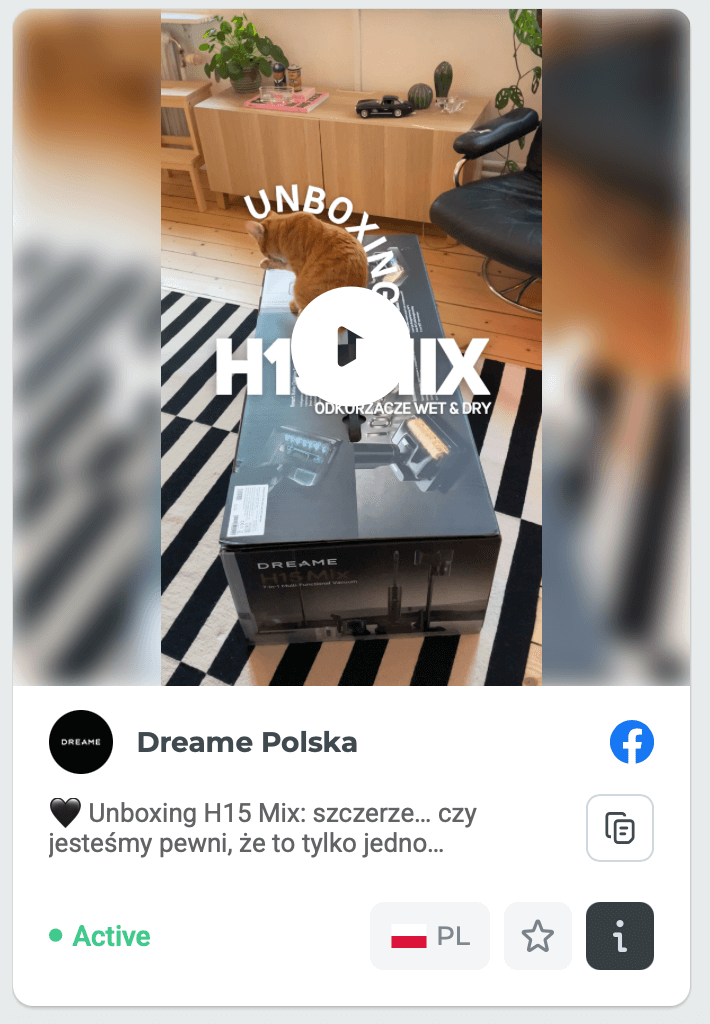
A short video featuring a real user sharing their impressions: what they liked, the results they achieved, and why they recommend it. It’s important to keep the speech natural without over-staging.Unboxing
Show the process of receiving and opening the product: packaging, details, emotions. This format creates a sense of presence and enhances the desire to “get it yourself.”
Real-life demonstration
Show the product being used in everyday situations — at home, in the office, or outdoors. Small, everyday details make the video feel more authentic and relatable for the audience.
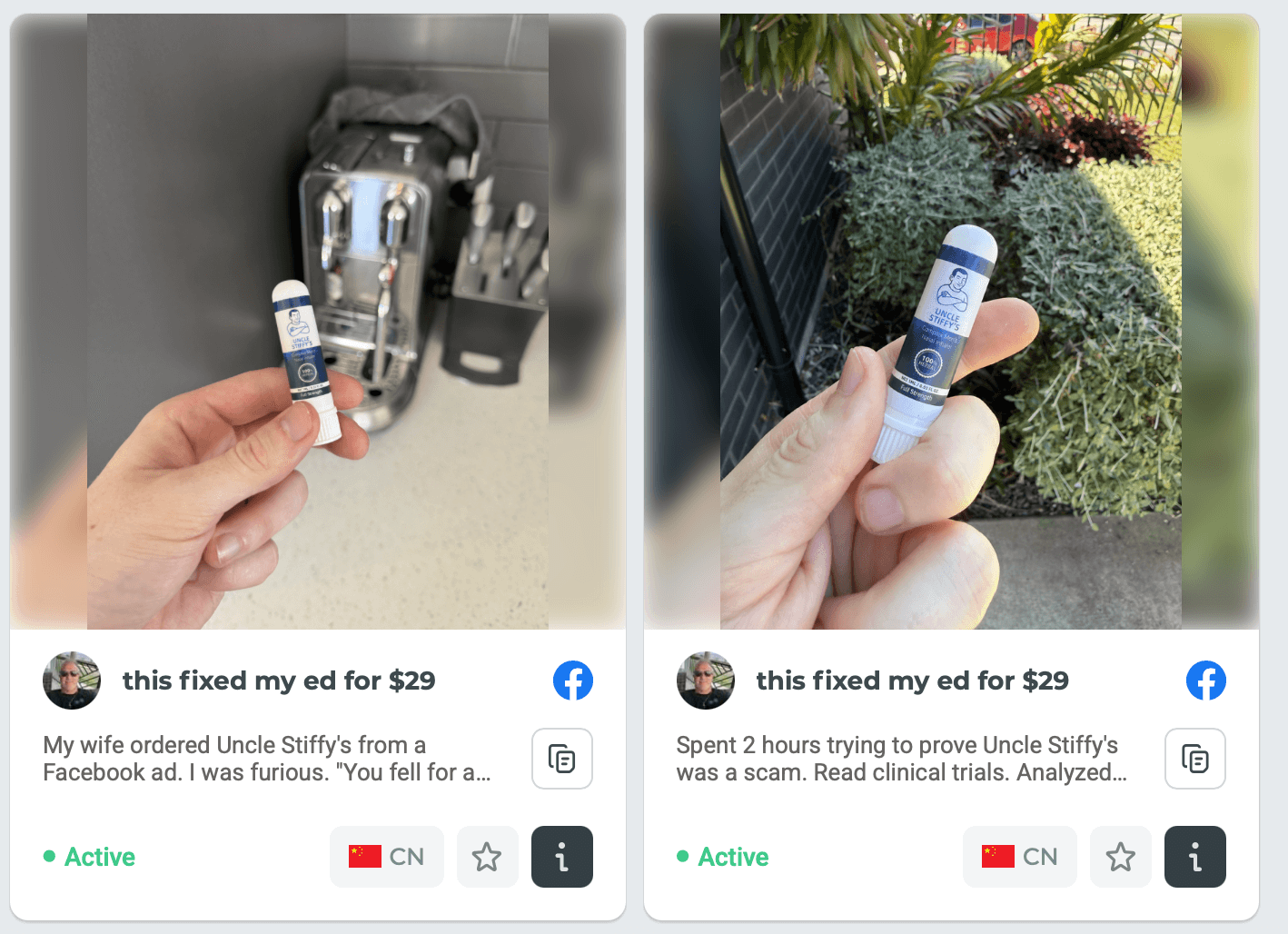
UGC content is perceived as honest and authentic.It reduces the feeling of “advertising” and increases trust, especially in niches where real reviews and personal experience are important.
Conclusion
Advertising analytics tools provide a huge advantage. They reveal trends, effective offers, popular formats, and strong combinations. However, success comes not to those who copy, but to those who interpret.
Every change—color, composition, USP, format—enhances the campaign's individuality. Systematic testing turns creative work from a matter of chance into a controlled, strategic tool.
Use analytics as a foundation for hypotheses. Create your own visuals. Rewrite meanings, not just words. Add value, rather than repeating someone else’s promotions.
In this way, advertising becomes not just a method of driving traffic, but a sustainable growth system that delivers consistent results without the risk of account blocks or losses.





Comments 0